


 Webshop
 Flat roof windows
 FlatLight Premium
 Rooflights
 SunTubes
 Roof windows
 Window frames and doors
 Sales & Service
 About us
 Brochures
- Customer service
- Terms and conditions
- Online retailers
- Installing a concrete roof opening and flat roof window
- Privacy Policy Intura Limited
- Your legal guarantee rights
- Disclaimer
Intura SunTube tubular daylighting systems
Intura SunTube light tunnels
Daylight where a window cannot go.
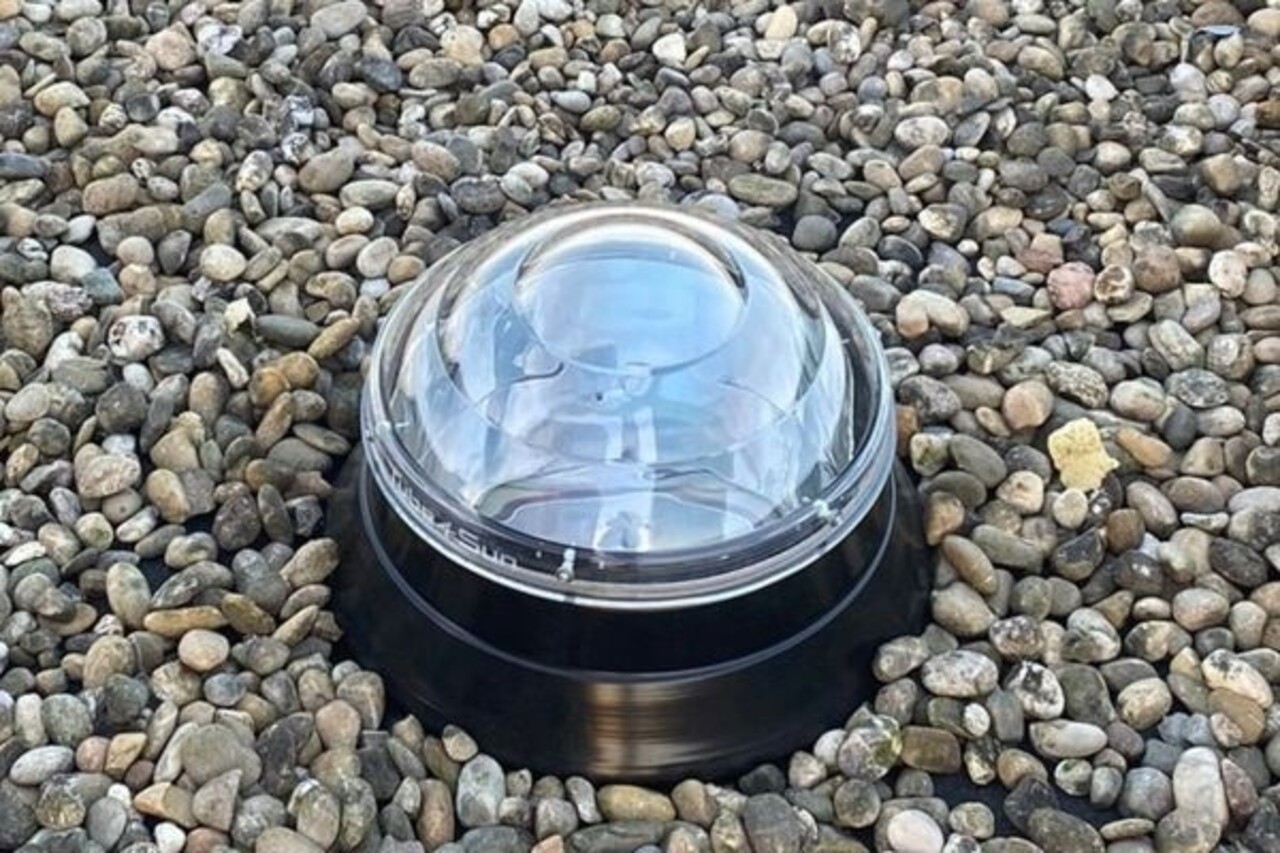
Bring natural light into a dark bathroom, hallway, landing, workspace or commercial building. Intura SunTube transports daylight indoors through a highly reflective tube from a flat roof, pitched roof or façade.
For homes, renovation, commercial buildings and professional projects.
See the difference daylight makes
One system. Three routes to a brighter interior.
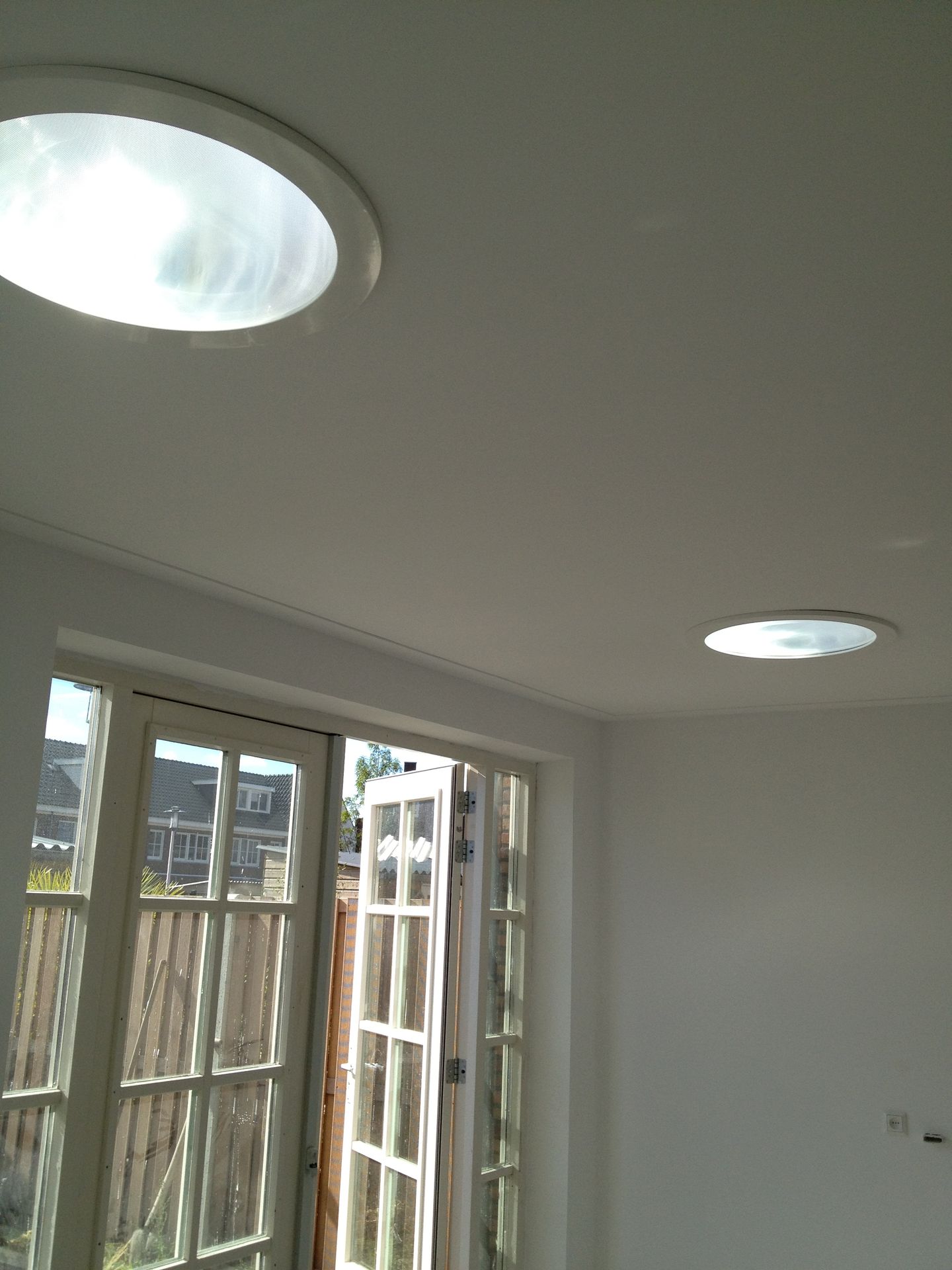
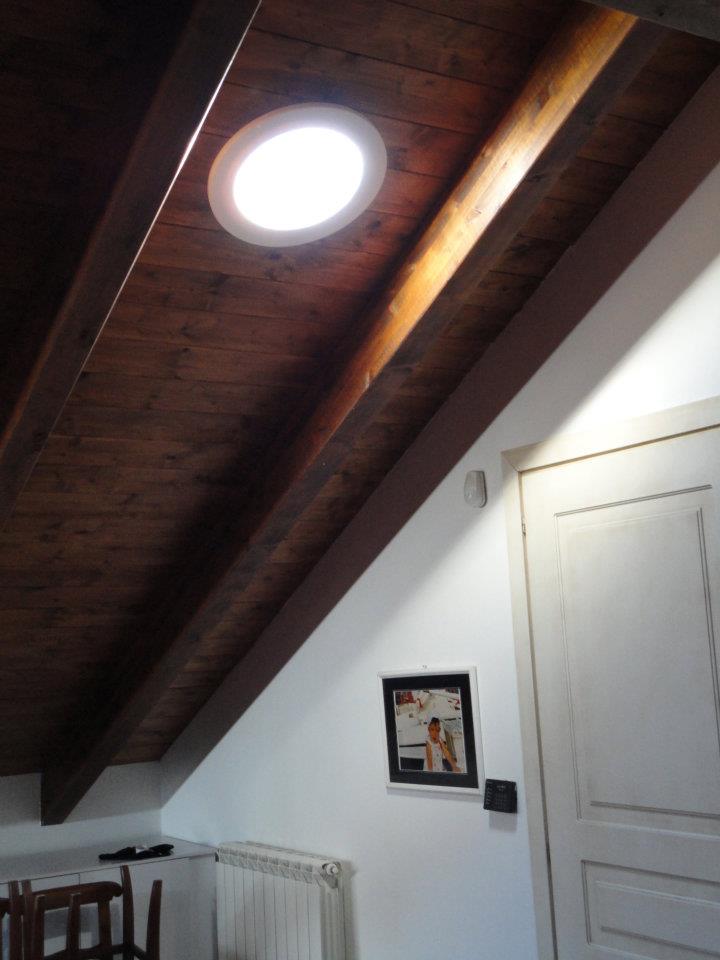
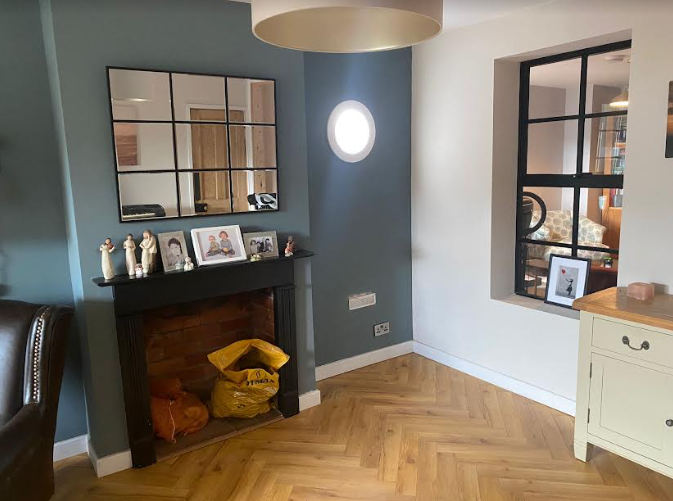
A SunTube is experienced inside the room, not just seen on the roof. The diffuser becomes a bright, calm daylight source in the ceiling or wall, while the reflective tube connects it to the best available exterior position.
Configure the right SunTube quickly
Which light tunnel suits your space?
A good choice is not based on diameter alone. First determine where the daylight will enter, how large the space is, the length of the tube run and how many bends are required. Then select the appropriate roof unit, ceiling finish and insulation.
Flat roof, pitched roof or façade?
The building surface determines the external unit and watertight connection. For a flat roof, choose bitumen, EPDM or PVC; pitched-roof versions use a Leadax connection.
Compare the versionsØ 25, 35 or 55 cm?
The diameter determines how much daylight the system can transport. ST25 suits smaller rooms, ST35 is the versatile residential option and ST55 is designed for larger spaces and projects.
Choose the diameterStraight run or bends?
A short, straight and well-positioned tube run provides the highest output. Extension tubes and adjustable 0–45° bends allow the system to pass around structural elements.
View the system constructionEcoPower or standard?
In a well-insulated roof, heated room or project with demanding energy targets, EcoPower significantly reduces heat loss through the roof penetration.
View the insulation valuesThree ways to bring daylight indoors
Through a flat roof, pitched roof or façade.
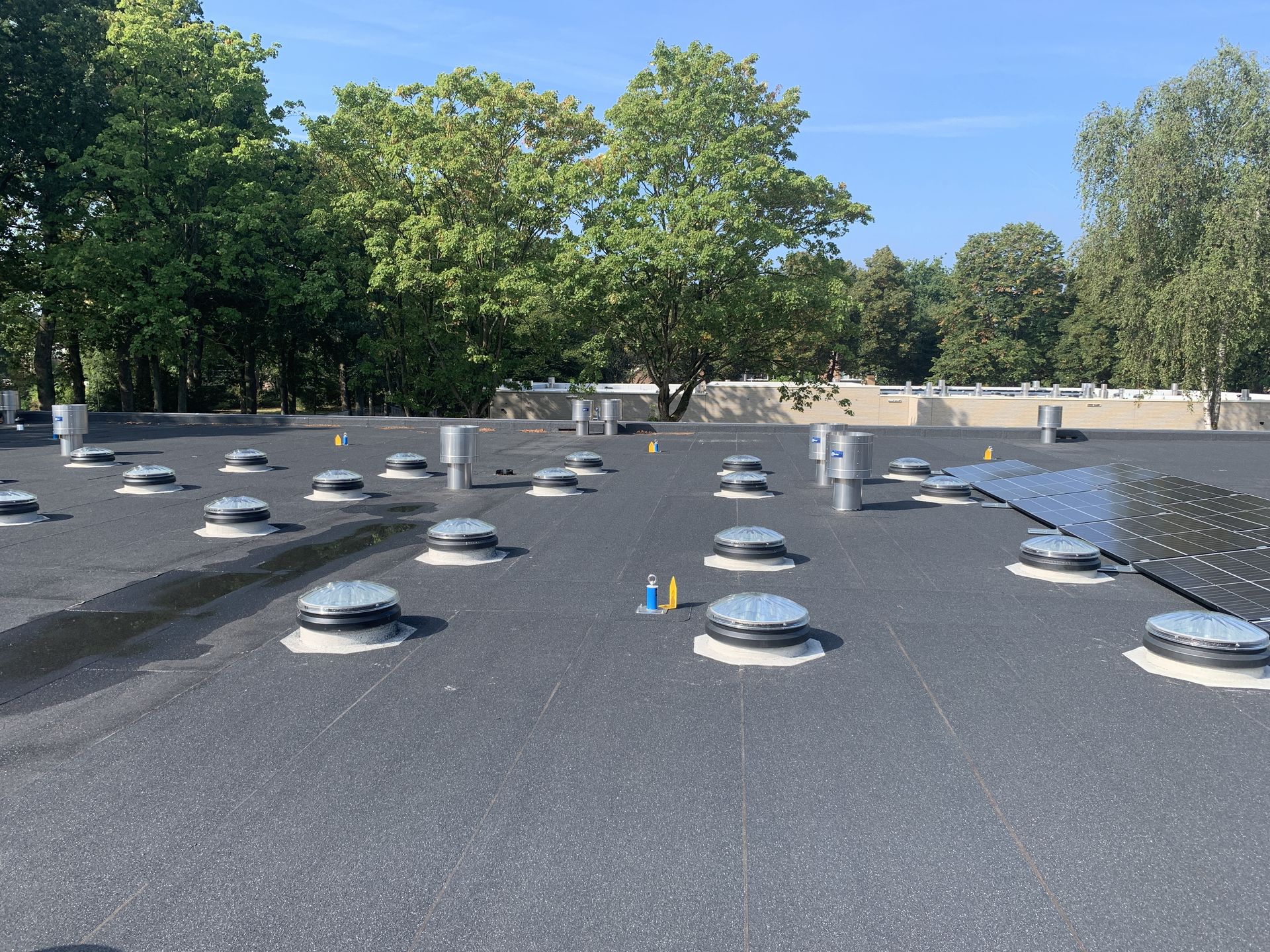
SunTube for flat roofs
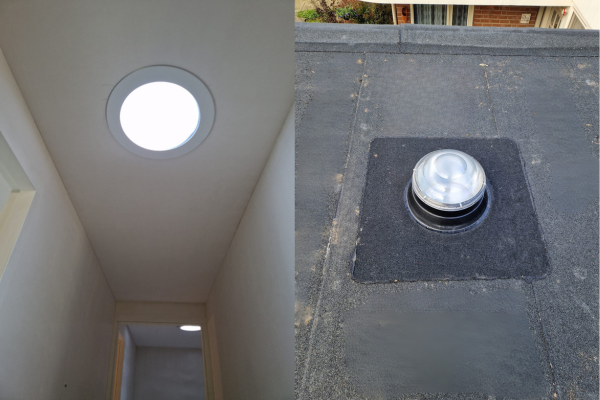
The double-walled aluminium kerb is available with pre-applied bitumen, EPDM or PVC roofing. This speeds up installation and provides a clear connection to the existing roof covering.
Suitable for:extensions, flat residential roofs, hallways, bathrooms, offices and commercial spaces.
View flat-roof systems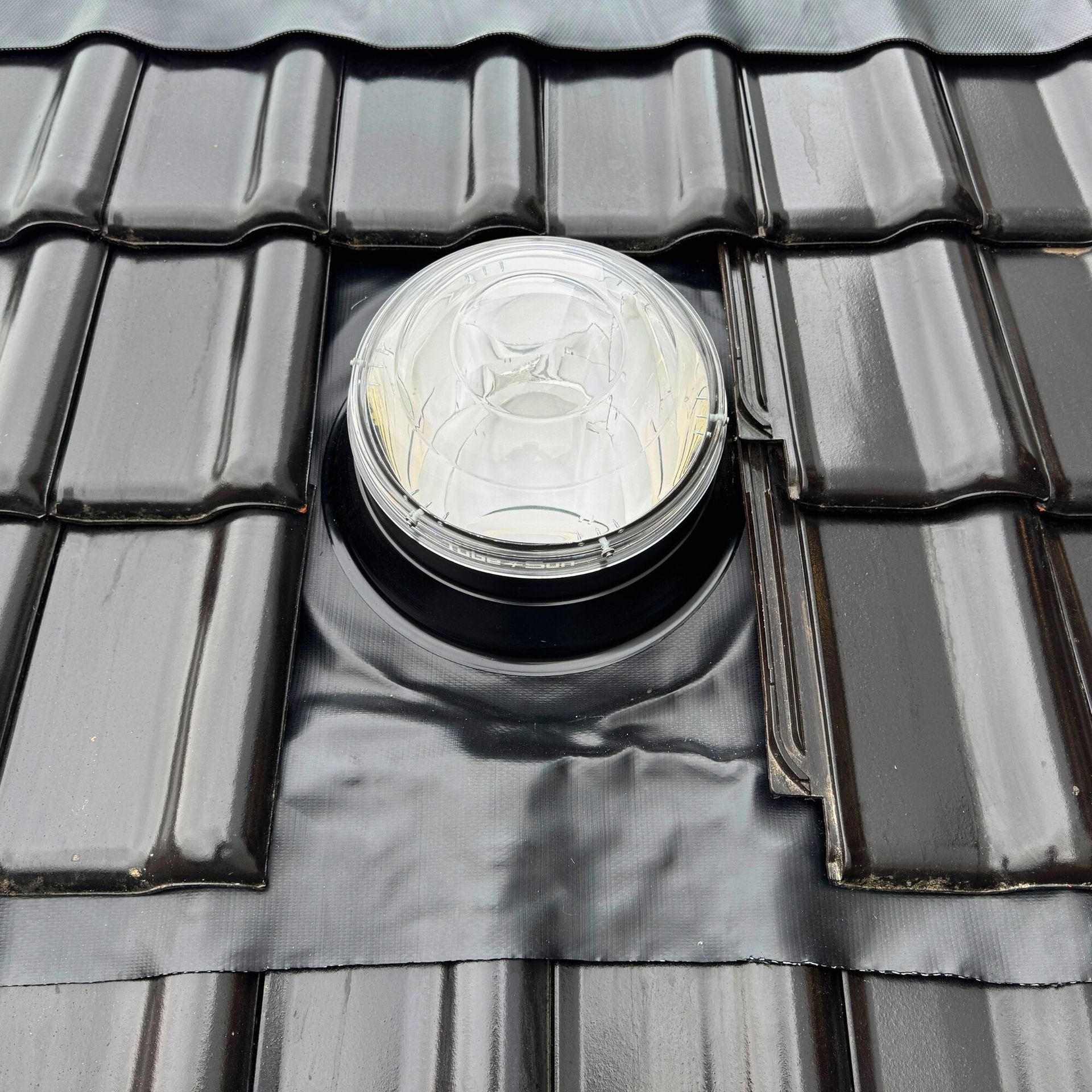
SunTube for pitched roofs
The external unit for pitched roofs is supplied with a pre-fitted Leadax flashing. This allows the system to be integrated watertight into various tiled roofs.
Suitable for:homes, attics, bedrooms, landings and rooms beneath a pitched roof where a conventional window cannot be positioned.
View pitched-roof systems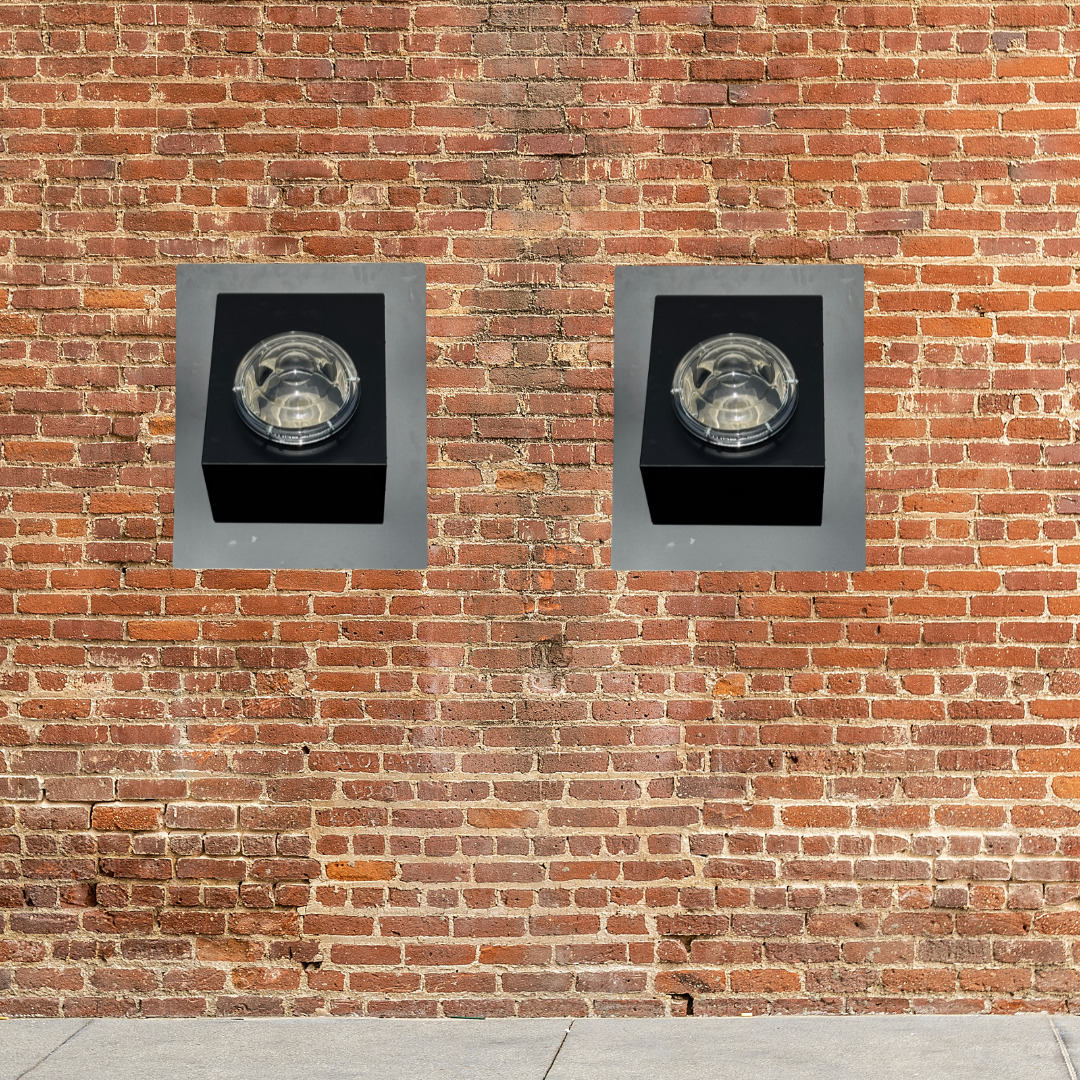
SunTube SideLight
Where a roof penetration is not possible or desirable, SideLight transports daylight horizontally from the façade into the room. Output depends on orientation, surroundings and the tube run.
Suitable for:basements, lower-ground floors, extensions and internal spaces with access to an unobstructed outside wall.
View the façade version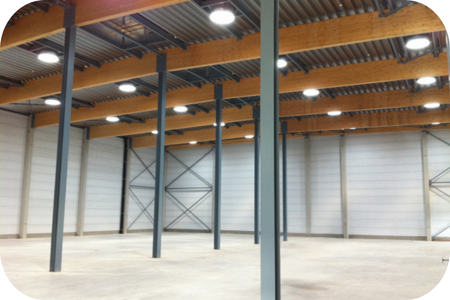
Diameter and daylight output
From a small room to a commercial building.
The right diameter depends on the size and height of the room, desired light level, tube length, number of bends and position of the external unit. The areas below are practical indications; actual daylight output changes throughout the day and year.
- ST25 · Ø 25 cm: indicative coverage up to approximately 9 m²
- ST35 · Ø 35 cm: indicative coverage approximately 13–16 m²
- ST55 · Ø 55 cm: indicative coverage approximately 25–30 m²
- A short, straight tube run provides the highest output
- Multiple systems provide more even daylight distribution
- For project calculations, Intura can advise on quantity and positioning
Intura SunTube range
Choose the capacity that suits the project.
The indications assume a favourable position and an efficient tube run. Longer runs, multiple bends, shade or high ceilings may require a larger diameter or an additional system.
SunTube ST25
The compact option for smaller occupied and circulation spaces where a limited roof opening is preferred.
- 25 cm diameter
- Crystal glass dome
- Indicative coverage up to approximately 9 m²
- Bathroom, WC, hallway or utility room
SunTube ST35
The versatile size for homes, renovation and many smaller commercial projects.
- 35 cm diameter
- Crystal glass dome
- Indicative coverage approximately 13–16 m²
- Living space, kitchen, landing or office
SunTube ST55
A large light tunnel for spacious living rooms, workshops, schools, warehouses and other projects with a greater daylight requirement.
- 55 cm diameter
- PMMA dome
- Indicative coverage approximately 25–30 m²
- Larger rooms or higher ceilings
Thermal performance
EcoPower reduces heat loss through the roof penetration.
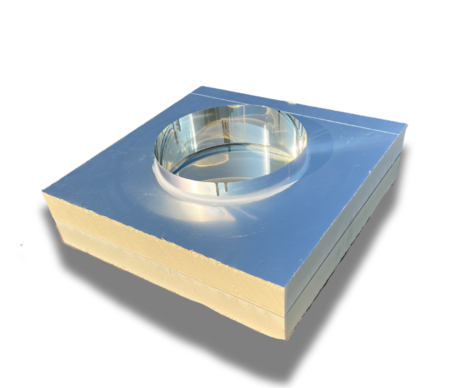
The EcoPower insulation element comprises 14 cm of UNILIN PIR insulation with an Rd-value of 6.30 and an insulated glass closure. Independent thermal research shows that it significantly improves the U-value of the complete SunTube system.
What does EcoPower add?
A standard light tunnel creates a penetration through the insulated roof. EcoPower surrounds the reflective tube with a 14 cm PIR insulation element and adds an airtight insulated glass closure. This limits heat flow, raises the internal surface temperature and helps reduce the risk of condensation around the roof penetration.
- 14 cm PIR insulation: Rd 6.30 m²K/W
- HR++ version: insulated double glazing, Ug 1.1 W/m²K
- HR+++ version: insulated triple glazing, Ug 0.6 W/m²K
- Complete-system assessment: values below include the SunTube, not only the glass
How to read the value: a lower UST-value means less heat passes through the complete daylight system.
2.44–2.70 W/m²K
Without EcoPower. The roof penetration has a considerably higher thermal transmittance than a modern insulated roof.
0.91–0.94 W/m²K
Approximately 62–66% lower calculated heat transmission than the corresponding standard SunTube, depending on diameter.
0.65–0.70 W/m²K
Approximately 71–76% lower calculated heat transmission than the corresponding standard SunTube, depending on diameter.
| SunTube | Without EcoPower | EcoPower HR++ | EcoPower HR+++ |
|---|---|---|---|
| ST25 · Ø 25 cm | 2.44 W/m²K | 0.93 W/m²K | 0.70 W/m²K |
| ST35 · Ø 35 cm | 2.63 W/m²K | 0.94 W/m²K | 0.69 W/m²K |
| ST55 · Ø 55 cm | 2.70 W/m²K | 0.91 W/m²K | 0.65 W/m²K |
Calculated UST-values for the complete SunTube system. Lower is better. Correct airtight installation and continuity with the roof insulation remain essential.
System construction and installation
From the exterior dome to the EasyClick diffuser.
The exterior dome captures daylight. ST25 and ST35 use crystal glass, which does not yellow and retains its clarity over time. The larger ST55 has a PMMA dome. An insulated aluminium roof kerb in RAL 9005 forms the connection to the roof.
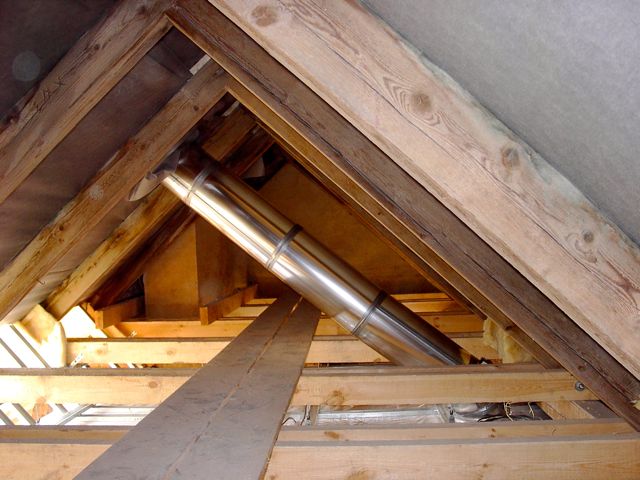
The 0.7 mm reflective tube has a reflectance of 99.8% and transports the daylight into the room. The standard tube is 60 cm long, can be shortened and can be extended with additional tubes to create a run of approximately 6 metres. The EasyClick diffuser distributes the light and provides a neat ceiling finish.
Limit the number of bends wherever possible. Every additional length, change of direction and unfavourable external position reduces the final daylight output.
Applications
Natural light for dark internal spaces.
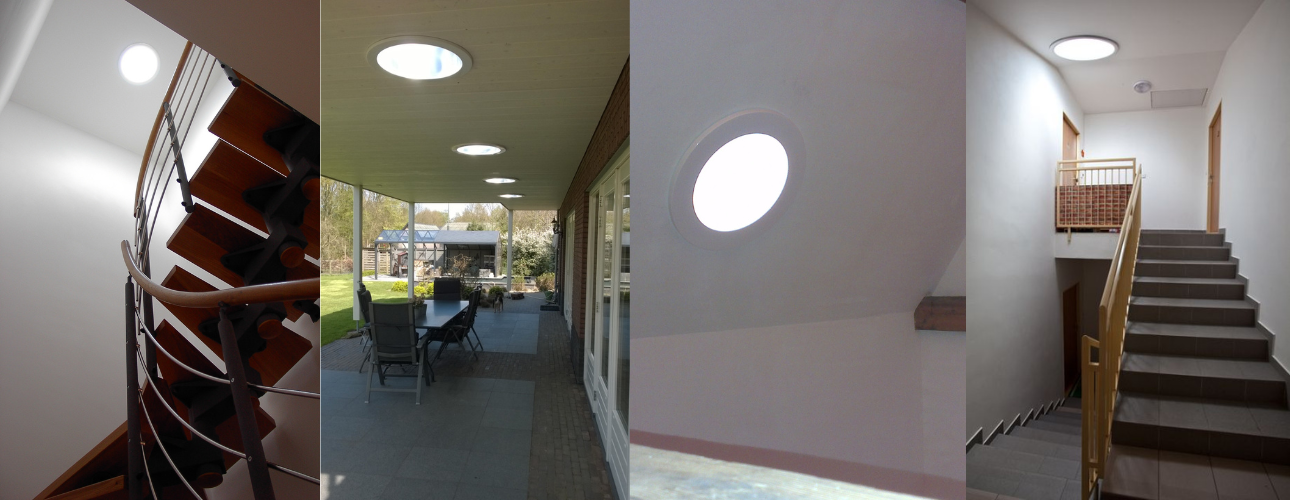
Homes and renovation
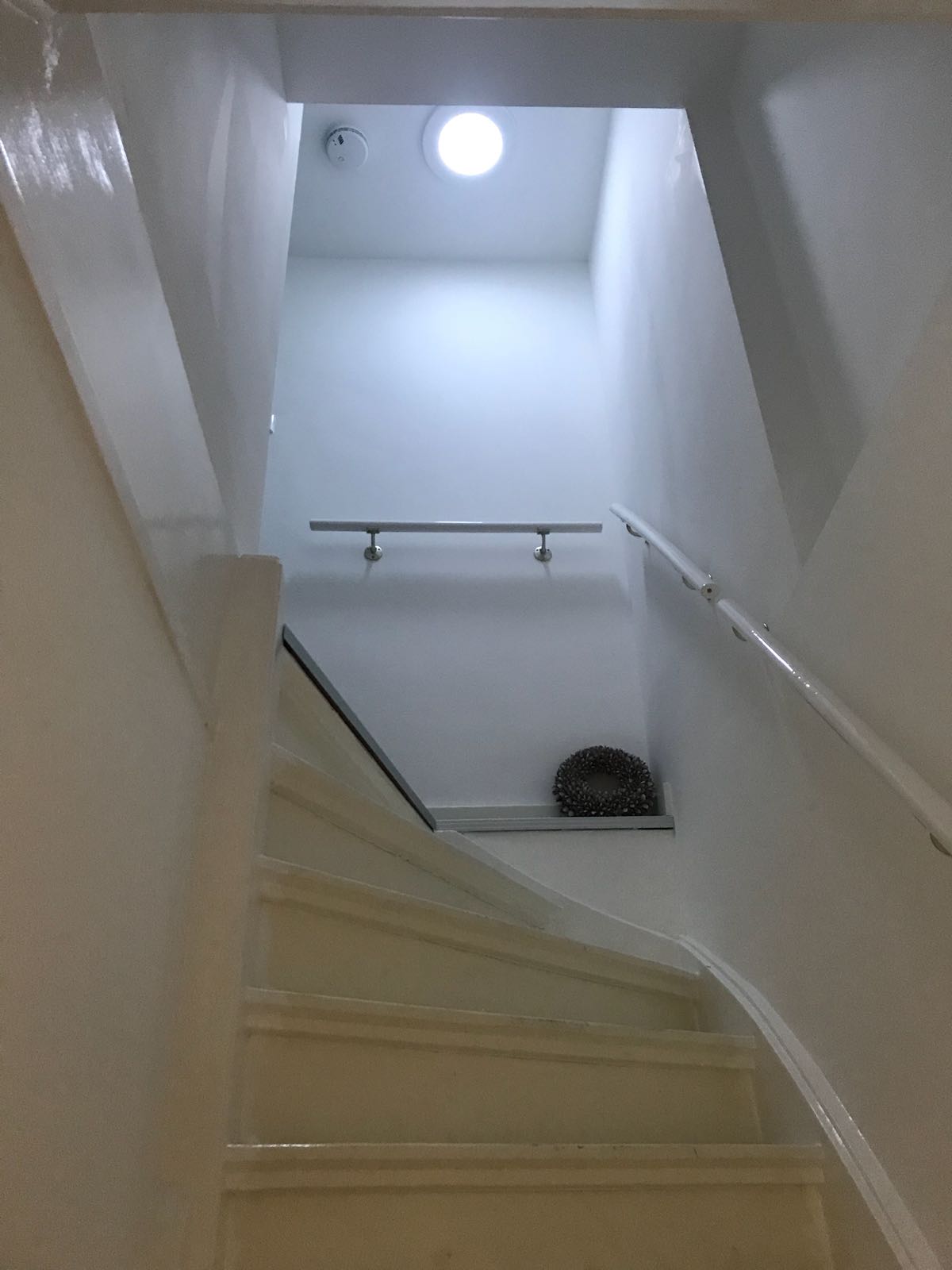
A SunTube suits rooms where a window or rooflight cannot be positioned logically, such as an internal bathroom, landing, hallway, WC, kitchen or extension. The limited roof opening also makes the system attractive for renovation.
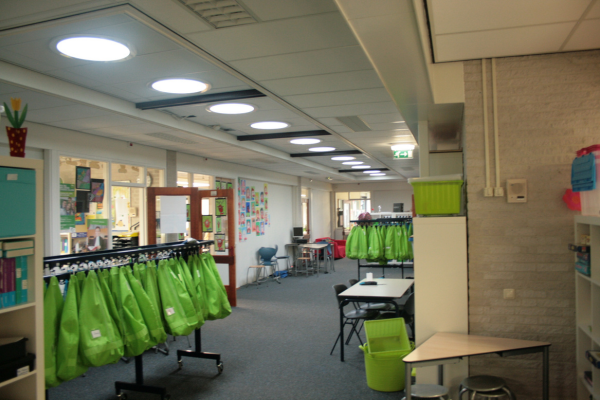
Offices, schools and healthcare
Daylight contributes to a pleasant occupied and working environment. For project applications, diameter, quantity, spacing and ceiling height are considered together to achieve even light distribution.
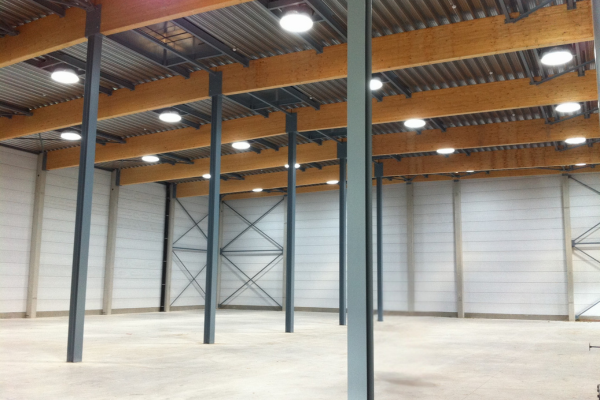
Workshops and warehouses
Multiple ST55 systems can reduce the need for artificial lighting in larger spaces during the day. A lighting strategy remains important: daylight varies with weather and time and does not replace electric lighting under all conditions.
For contractors, roofers and designers
From roof construction to a complete SunTube specification.
For professional applications, the roof covering, insulation level, ceiling height, tube length, bends, fire and structural requirements and desired daylight distribution are all important. Intura can assist with the selection of diameter, number of systems, accessories and thermal specification.
Technical guidance
Practical guidance on light tunnels
Use this information when preparing the project. Always follow the product-specific installation instructions and have structural or building-physics considerations assessed by a suitably qualified professional.
How does a light tunnel work?
A light tunnel captures daylight outside and transports it through a highly reflective tube to a diffuser in the ceiling. Unlike electric lighting, the amount of light follows the weather, season and time of day. Output is higher in bright conditions than on a dark winter day.
Intura SunTube uses a crystal glass dome on ST25 and ST35 and a reflective tube with 99.8% reflectance. A well-designed route therefore retains much of the captured daylight. The diffuser distributes the light in the room and prevents a direct view into the tube.
How much daylight does a SunTube provide?
Output cannot be expressed as one fixed wattage or lumen figure. Diameter, available outdoor light, orientation, shade, tube length, bends, ceiling height and interior colours all affect the result. As a guide, ST25 can serve a small room of up to approximately 9 m², ST35 approximately 13–16 m² and ST55 approximately 25–30 m².
Under favourable conditions, an ST35 may provide approximately 900–1300 lux in summer and 400–700 lux in winter, measured 1.5 metres below the diffuser. These values are indicative and are not guaranteed for every project situation.
How long can the reflective tube be?
Extension tubes can be used to create a run of up to approximately 6 metres. A longer route creates more reflection losses and makes good positioning increasingly important. For a long run, consider a larger diameter and keep the tube as straight as possible.
Measure from the external unit to the finished ceiling and account for the roof build-up, insulation, suspended ceiling and connections. A bend also changes the effective length required.
How many bends can be used?
Adjustable 0–45° bends make it possible to pass around a beam, pipe or another obstruction. Several bends may be technically possible, but every change of direction reduces daylight output. Limit both the number and angle wherever possible.
Before forming the roof opening, check that the entire route is clear. A small adjustment to the position of the external unit or diffuser can sometimes avoid an additional bend and improve performance.
Why choose a crystal glass dome?
ST25 and ST35 have a crystal glass dome. Crystal glass does not yellow under UV exposure and retains its clarity. Its hard, smooth surface withstands weathering and dirt adheres less readily than to many plastic surfaces. Rain on glass also generally creates less drumming noise than rain on a thin plastic dome. The larger ST55 uses a PMMA dome.
Keep the dome and surrounding area free from heavy soiling, leaves and permanent shade. Its position on the roof has a major effect on the amount of daylight the system can capture.
When is EcoPower recommended?
A light tunnel penetrates the thermal envelope. EcoPower adds 14 cm of PIR insulation and an insulated glass closure, greatly reducing heat transfer and the risk of a cold surface. This is particularly relevant in heated rooms, well-insulated roofs and new builds.
The choice between HR++ double and HR+++ triple glazing depends on the required U-value and project standard. Provide continuous insulation and an airtight connection around the element; a high-performance product cannot compensate for poor installation.
Can a SunTube also provide electric lighting?
An optional LED module allows the same ceiling position to be used as a light fitting after dark. During the day, light comes from outside; the LED can take over when insufficient daylight is available. An optional dimmer can reduce the natural daylight when a darker room is required.
Plan the power supply, controls and accessibility before installation. Electrical components must be connected in accordance with applicable regulations.
What are common design and installation mistakes?
- Considering only floor area while ignoring tube length and bends.
- Positioning the external unit in permanent shade from a roof structure or tree.
- Checking the route only after the roof opening has been formed.
- Using too many or unnecessarily sharp changes of direction.
- Underestimating the thermal and airtight connection around the roof penetration.
- Ordering the wrong version for the roof covering or roof type.
- Treating daylight as a constant replacement for all electric lighting.
If in doubt, have the configuration checked in advance. Include the roof type, roof covering, dimensions, photographs and a sketch of the intended route.
Frequently asked questions
Short answers to common questions
What is the difference between a light tunnel and a rooflight?
A rooflight brings daylight directly through a larger roof opening into the room below. A light tunnel transports daylight through a compact reflective tube and can therefore reach a room that is not located directly beneath the external unit.
Can a light tunnel pass through more than one floor?
A tube run of up to approximately 6 metres can be assembled, but length and bends reduce daylight output. For a long or complex route, have the diameter and route assessed in advance and check structural and fire requirements.
Does a SunTube provide light on cloudy days?
Yes. The system transports diffuse daylight, although output is lower than on a clear day. The amount of light therefore varies with weather, season and time.
Can the amount of daylight be controlled?
An optional dimmer can reduce the amount of daylight entering the room. An LED module can be incorporated to provide electric lighting after dark.
Which roof covering should I choose?
Flat-roof sets are available with bitumen, EPDM or PVC. Pitched-roof versions use a Leadax connection. Always select the version that matches the actual roof construction.
Ready to bring daylight indoors?
Configure your SunTube or ask us to check the route.
When requesting advice, include the roof type, roof covering, total length, preferred diameter and clear photographs or a section drawing.
Need help? Contact us!
Call us
Available Mon–Fri, 9:00 AM–5:30 PM
Ask us anything
Social media
Socials
 Wij scoren een 4.5 op
 Intura B.V.
Ampèrestraat 15
3861 NC
Nijkerk View on Google Maps
BTW nummer: NL854817360B01
KvK nummer: 62436120
Bankrelatie ING Bank: NL47INGB0006764730
